


March 2026 Nonprofit of the Month
March 23, 2026

Dunnellon branch of Brannen Bank celebrates its 80th Anniversary
“[My daddy] told me he saw grown men crying in the streets during the Depression — they couldn’t buy a loaf of bread for their families — he made himself a promise that as long as we were in business that our customers would be able to come get every single penny that they had with us.” — Joe Brannen, Chairman and CEO of Brannen Bank
It’s not Bedford Falls, but the story of one bank here in Citrus County is not unlike the one made famous in It’s a Wonderful Life. Brannen Bank has been providing personalized banking service since 1926 when its founder, George H. Brannen, Sr., established the first Brannen Bank in historic Homosassa as the Bank of Homosassa. Relocated to Inverness in 1929 and renamed The Bank of Inverness, Brannen Bank was the only bank in Citrus County to survive the economic crash of 1929 and the Great Depression.
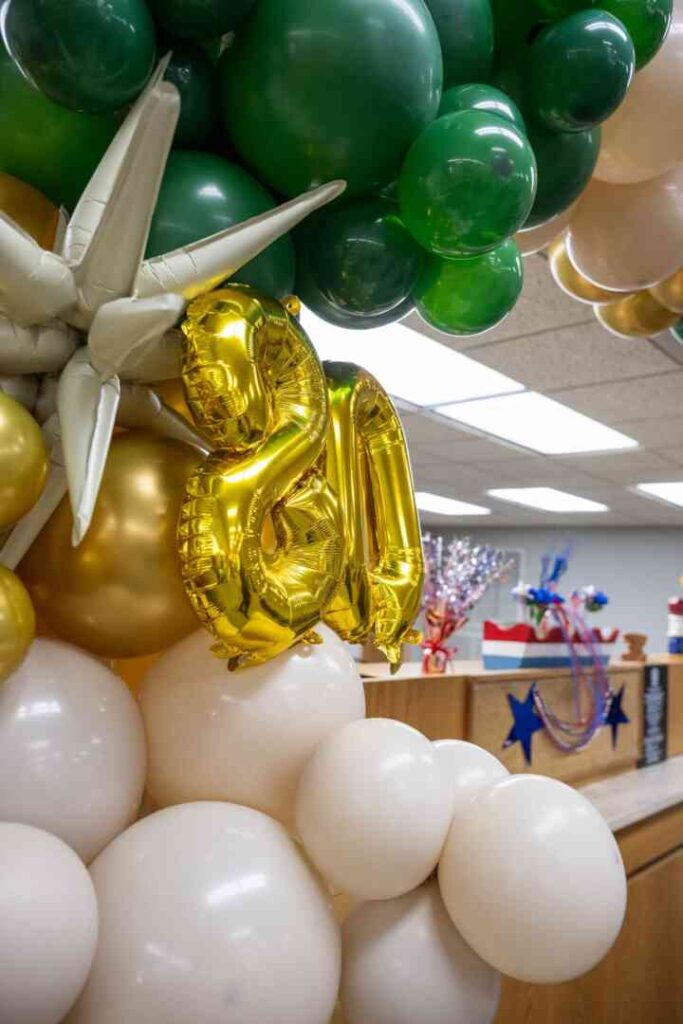
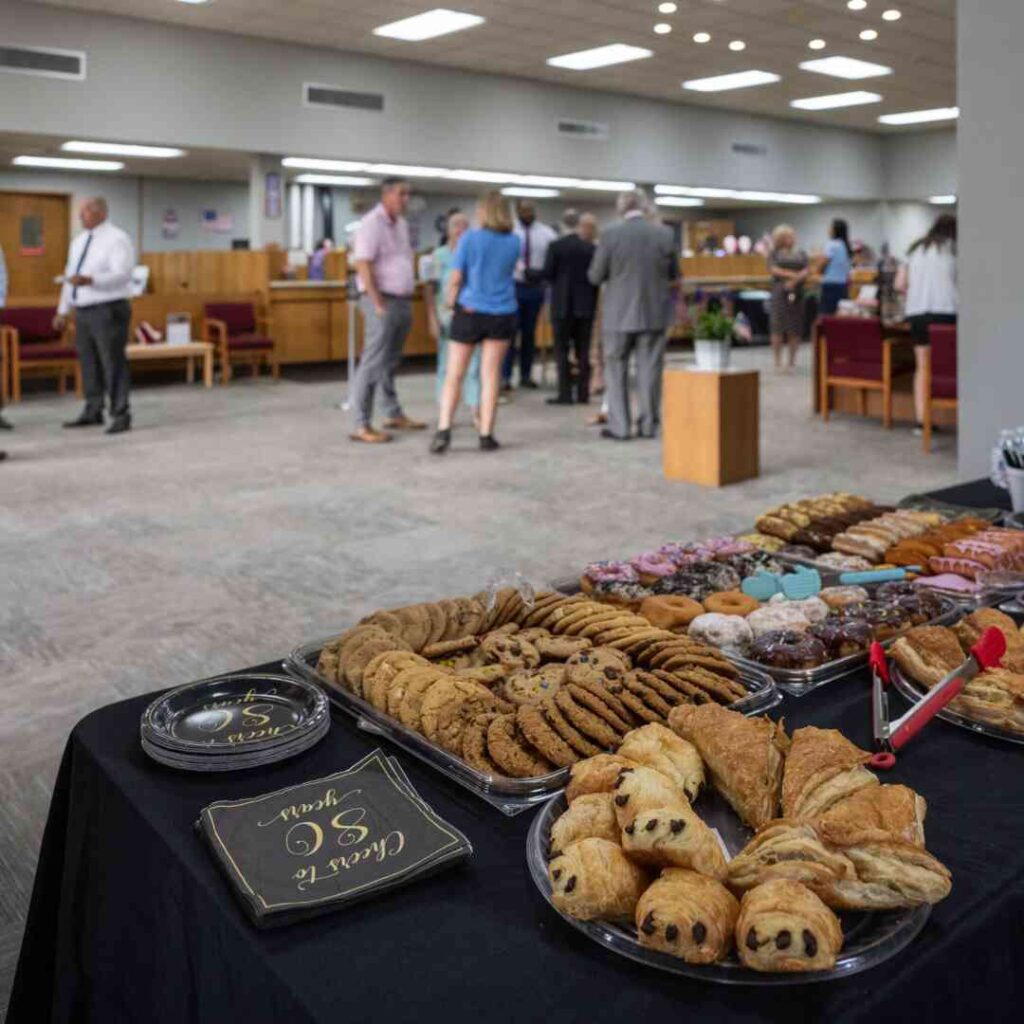
Having spent most of this year celebrating its 100th anniversary, a celebration was held on July 29 at Brannen’s Dunnellon branch, to celebrate 80 years in the Dunnellon community.
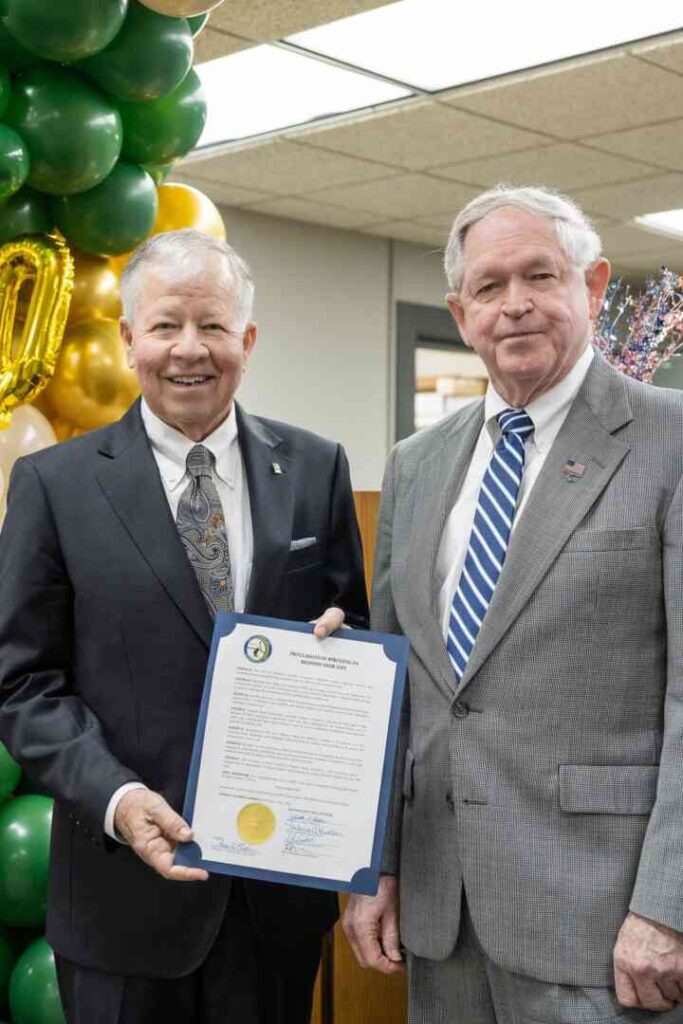
During the celebration, members of the local community stopped in to congratulate the Brannen family and their executive officers along with employees past and present of the Dunnellon branch. A proclamation by the City of Dunnellon was read by Mayor Walter Green declaring August 1, 2026 “Brannen Bank Day.”
“Many of the kids I grew up with and even their grandparents banked at this bank,” said Green, before he read the proclamation. “It is a real honor for me personally and for the City of Dunnellon to recognize Brannen Bank.”
The first Brannen Bank, which opened in 1926, was the only bank in Citrus County to survive the Great Depression. The first bank in Dunnellon opened in 1904, but it closed in 1931 during the Great Depression. After a period of 15 years with no local bank, George H. Brannen, Sr., thought Dunnellon would be a good place for their second location. Founded as Dunnellon State Bank in 1946, it operated as the only bank in Dunnellon for many years. The Dunnellon Branch was originally housed in the “triangle building” that is now home to Al’s TV, Antenna & Satellite.
Today, twelve branches of Brannen Bank exist in Marion Citrus and Hernando Counties employing about 130 people with over $1B in total assets.

Brannen Bank’s legacy not only includes financial stewardship. Civic engagement, philanthropic contributions, and unwavering community support are common attributes to Brannen’s commitment to their customers.
“We don’t exist without our customers,” said Brannen. “The customers take care of us, we take care of them. That’s how it works.”
“My daddy recognized that 100 years ago, and he also recognized that people want to feel that their money’s safe in their bank, and it’s always been safe here,” Brannen continued.
He said his daddy made a promise that as long as we were in business, their customers would be able to come get every single penny that they had.
“We still operate that way—where 25-30 percent of our assets are liquid with the federal reserve bank,” said Brannen. “A lot of other banks are 2-3-4 percent. The money is there for our customers. If they ever need it, they’re going to come get it with us.”
Banking has changed a great deal since George H. Brannen, Sr., opened the doors of his first bank in Citrus County in 1926. The Great Depression was only one challenge to the banking industry. “There was the S&L crisis in the 80s, the tech bubble in 200, and the Great Recession in 2008,” noted Brannen. “In 1921, the peak number of banks sat at about 30,800. By 2008, there were 8,250, and many more consolidated and sold during the recession. More failed in 2020 with Covid.”
Yet Brannen Bank’s growth has been phenomenal since 2020, growing from $500M in total assets to over $1B six year later.
“So, we thank everybody for what you do for us. We are here for you, and we are excited about our future,” said Brannen. “We’ve got 100 years behind us, and we are stepping over the threshold for the next 100 years.”